
Newsletter July 2026
Written by Greg Chipp
August 14, 2026

At last, NSW has moved to stop unimpaired medicinal-cannabis patients being automatically punished for driving. The proposal is far from perfect, but it is a start.
There is more evidence that harm reduction works. Heroin-related ambulance attendances around North Richmond's supervised injecting room fell by more than 70 per cent over its first five years.
The bad news is harder to ignore.
The bad news is harder to ignore. Seven Australians are now dying from overdose every day according to the Penington Institute's annual overdose report.
Queensland has passed legislation to repeal its drug diversion program, and Melbourne's tobacco wars continue despite record seizures and raids.
Overseas, the latest UN report confirms that illegal drug markets are growing, not shrinking.
Read on for the details, but first, the good news.

Free Naloxone Machines Roll Out in Victoria
Victoria is rolling out 20 free naloxone dispensing machines under a trial running until June 2027.
The first machines are at the Alfred, Bayside Health and Sunshine Hospital. Naloxone can temporarily reverse an opioid overdose and is safe to give even when you are unsure whether opioids are involved. Putting it where people can reach it quickly is practical harm reduction. It saves lives.

Photo: Office of the Premier of Victoria/Supplied.
NSW Finally Moves on Medicinal-Cannabis Driving
The NSW Government has introduced legislation to stop some medicinal cannabis patients automatically losing their licence. While welcome, the reforms remain a patchwork that leaves the flawed presence-based testing regime largely intact.
Drivers who return a positive roadside test would still face an automatic 24-hour licence suspension, while patients must register in advance and meet strict eligibility criteria, including an arbitrary THC threshold unrelated to impairment. It is a modest step forward, but one that falls well short of an impairment-based approach.
Importantly, the bill has not passed Parliament yet, so hopefully the Legalise Cannabis Party can get some amendments passed.
Injecting-Room Evidence Keeps Piling Up
A new study found heroin-related ambulance attendances around North Richmond's medically supervised injecting room fell by 70 per cent over its first five years, from about 48 calls a month to 14. The decline was substantially larger than elsewhere in Melbourne and Victoria. Critics will keep criticising, but fewer overdoses in streets, parks and laneways is precisely what this health service was built to achieve.
Pill Testing Finds the Unexpected
Victoria's pill testing service analysed 63 samples at Shadows of Wonderland in May. Twelve, or 19 per cent, contained an unexpected psychoactive substance. For more than 40 per cent of attendees, it was their first conversation with a health professional about drug use. The Victorian Government has committed $9.6 million to continue the service through a strengthened fixed site and testing at festivals.
That is what practical harm reduction looks like: useful information before consumption, and an honest conversation instead of another lecture or arrest.
The fixed site is open Thursday 10am to 4pm, and Friday and Saturday 1pm to 7pm.
Read the Victorian Pill Testing Service report.

Seven Overdose Deaths Every Day
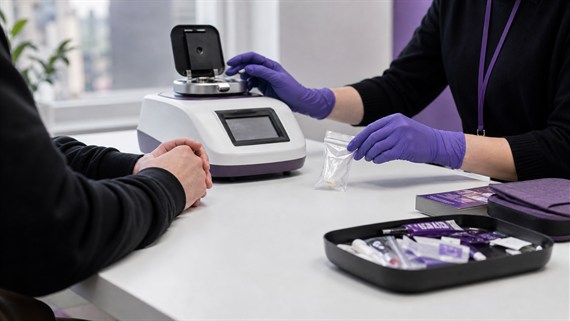
Penington Institute's preliminary snapshot estimates 2,596 Australians died from overdose in 2024, or seven people every day, with 2,091 deaths unintentional. Its broad definition includes alcohol and medicines, but the direction is clear: deaths involving heroin, stimulants and cocaine all rose. People in their fifties are now the largest age group affected. We know harm reduction and treatment save lives. What remains in desperately short supply is political urgency.
The Nicotine War Rolls On

The first results from the Australian Institute of Health and Welfare's 2025 National Drug Strategy Household Survey bring one piece of good news: daily smoking fell to 5.6 per cent among Australians aged 14 and over, daily vaping held at 3.6 per cent and any nicotine use fell to 15.2 per cent.
But illicit tobacco use among current smokers more than doubled to 34 per cent; 57 per cent of branded illicit-tobacco buyers said they bought it from a tobacconist. Past-year nicotine-pouch use reached 8.4 per cent among 18- to 24-year-olds.
Experimental ABS estimates suggest illicit products supplied 80 per cent of Australia's nicotine in 2025. From 24 July, the TGA has closed ordinary consumer pathways to buy or import nicotine pouches; approved nicotine-replacement products remain available. Smoking is falling, but the illicit market is not. Governments cannot keep pricing consumers out of the legal market and then act surprised when organised crime steps in.
Read the ABC's latest tobacco-war report.
Queensland Legislates a Retreat from Diversion
Queensland has passed legislation intended to dismantle its three-stage police drug-diversion scheme in favour of a narrower model. Some machinery began on 1 July, but the key replacement provisions have not commenced, and the existing program remains operational. Doctors and treatment organisations warned against abandoning an evaluated health pathway for more fines and prosecutions. Evidence should count for more than another "tough on drugs" headline.

World Drug Report 2026: The Drug War’s Whack-a-Mole Failure
UNODC’s World Drug Report 2026 says 118 new psychoactive substances were reported for the first time in 2024. This is the drug war’s whack-a-mole effect: ban one substance and another appears, often less understood and more dangerous. Prohibition pushes the market away from familiar, better-understood plant-based drugs and towards new chemicals with little research, no quality control and unpredictable strength. That makes overdoses and adverse reactions harder to prevent.
Demand has not disappeared; traffickers and chemists simply stay one step ahead by creating the next drug. After sixty years, the war on drugs is not protecting people. It is making drug use more dangerous.

Thailand's Cannabis Policy Tightens Again
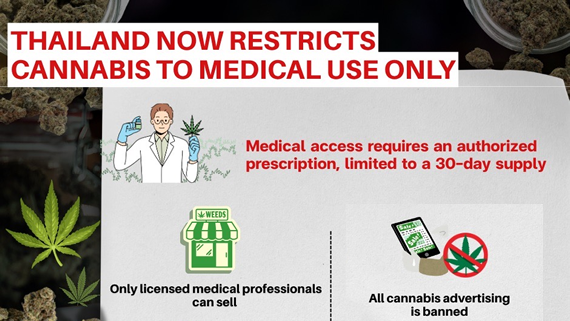
Thailand's cannabis policy remains a mess, but the direction is clear. The government tightened rules in 2025, requiring prescriptions for flower and pushing dispensaries towards medical use. The latest proposals extend that approach by controlling cultivation and requiring shops to operate more like clinics. The proposed Cannabis and Hemp Act has not been introduced to Parliament, so nothing has changed legally yet. Rising smuggling to Europe is pressuring the government to confirm its medical-only policy. Thai Customs says it seized more than 37 tonnes in 3,309 cases, many bound for Britain. The experiment is being slowly squeezed back into a medical box.
Ireland's Experts Say Decriminalise. Ministers Say No.
Ireland's parliamentary Joint Committee on Drugs Use has recommended repealing the offence of personal drug possession and replacing punishment with voluntary, health-led support. Its final report contains 161 recommendations. The government responded the next day that it has no plans to change the law. A Citizens' Assembly and a parliamentary inquiry have pointed in the same direction, but reform remains a recommendation rather than law.
America Edges Closer on Cannabis
The United States has taken another cautious step towards rescheduling cannabis. A formal DEA hearing ran from 29 June to 15 July on moving marijuana from Schedule I to Schedule III, which would recognise accepted medical use and apply less restrictive controls.
No final decision has been made. Rescheduling could ease research and tax barriers, but it would not legalise recreational cannabis or remove most federal penalties. Progress, yes. The end of prohibition, absolutely not.
DRUG ALERT: Unexpected Opioids in the Drug Supply
Victorian authorities reported four incidents in which heroin was detected alongside cocaine or methamphetamine. One person died and others needed emergency care. In the ACT, CanTEST found fentanyl and fluorofentanyl in two samples submitted as heroin. Drug checking and test strips can reduce risk, but a negative result cannot detect every dangerous substance or guarantee safety.
Fentanyl and Nitazene Test Strips
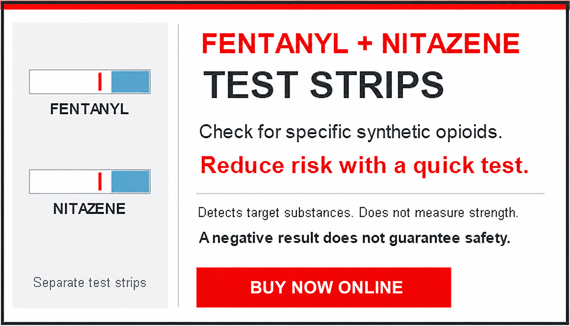
Fentanyl and nitazene test strips are separate harm-reduction tools designed to detect specific substances. They cannot measure strength, identify every analogue or make a sample safe. Use drug-checking services where available, carry naloxone and avoid using alone. Bulk discount available for other non-profits.
Help Us Save Lives
During my heroin addiction, the drug laws did not stop me using and did nothing to help me recover. What helped was the love of my family, access to treatment and people who saw a human being rather than a criminal.
That is why I helped establish Drug Policy Australia. We do not accept government funding because we must remain free to challenge bad policy, but independence has a cost. If this work matters to you, please make a tax-deductible donation. Even a modest contribution helps us research, speak out and keep pressure on governments when they would rather look away.
All donations are fully tax-deductible.
Finally, thank you for standing with us. Your support keeps independent drug-policy advocacy alive.
Please phone me anytime on 0417 773 372.
Greg Chipp
Managing Director
Dr John Sherman, Lisa van Rooyen
Directors
www.drugpolicy.org.au
Sign in to comment
Recent responses
Get Involved and Join the Movement